
 JohnPaul Baric
River.com pulled the plug on its bitcoin mining product. If your fleet was hosted there, the wind-down clock is running. If you were close to signing, the offer is gone.
We run MiningStore: 59 MW of ASIC fleet across 10 live Iowa facilities, 3.5 MW more in construction, 180+ institutional clients, Iowa since 2019. Read this with that bias in mind.
What happened with River.com
River wound down its mining offering to focus on brokerage and savings. Customers got a transition window to move hardware. We spent the last 18 months adding capacity, not cutting it.
One visible turnkey option is gone. The shortlist of operators who can take a fleet on short notice is now shorter. The next pick is the one to get right.
Why institutional allocators care
Bitcoin mining gives an institutional investor a hard physical asset that throws off a cash-flow stream denominated in a digital commodity. Operator quality varies. A top-quartile colocation provider and a bottom-quartile one are separated by 100 to 300 basis points of monthly margin, plus whether you can audit your own fleet.
For family offices and PE allocators sizing mining inside a digital-assets sleeve, the partner choice carries more weight than the strategy thesis. The 2026 economics of mining a sat are settled. Uptime, repairs, custody, and reporting are what move the actual outcome off the modeled one.
What "top ASIC mining colocation" means in practice
Four things matter when you grade a colocation provider. Grade us against them too.
Power cost and contract structure
Power is the whole economic story of a hosted fleet. The number on the deck matters less than the contract under it. The contract decides whether the provider passes wholesale market rates through to you or marks up to a flat rate, and who keeps the basis between day-ahead and real-time pricing. Iowa sits inside both MISO and SPP, the two deepest wholesale power markets in North America. Serious operators concentrate there for that reason.
Ask for the contract template. If they cannot walk you through the agreement and the math on a recent month's pass-through, you have your answer.
Uptime, remote hands, and operational maturity
ASIC miners fail. Whether the people who racked your fleet can also fix it sets how long the downtime runs. A subcontracted hands operation introduces a hand-off the moment a PSU dies. A facility staffed by its own engineers eats the failure inside the same shift and keeps a cleaner repair log behind it.
The engineers who built our facility staff our remote hands program. When you call about a unit, whoever picks up has touched that rack.
Custody, security, and chain-of-custody
The allocators we work with will not put institutional capital into mining without verifiable chain-of-custody for the hardware and the bitcoin those machines produce. That means per-machine tracking by serial and MAC, photographed intake, signed repair logs, and payouts into wallets you control. If a provider cannot tell you which ASIC produced which sat, do not send them money.
We built our institutional facility around that reporting standard.
Compliance and reporting
U.S. tax treatment of mining revenue is its own subject. Self-managed colocation throws off ordinary income at fair-market-value at the time of mining, plus capital gains at disposal. Your provider's reporting trail sets your CPA's workload in April. Our 2026 tax strategy guide covers the full structure. From the colocation provider, you need daily, per-machine, dollar-denominated production data with timestamps.
How MiningStore fits the profile
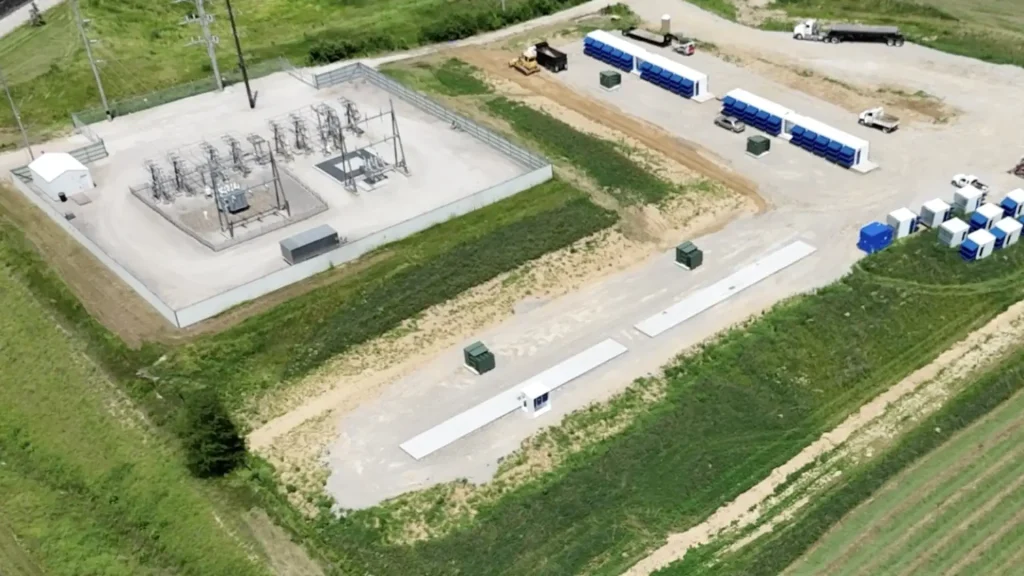
Six years of building toward this operator profile: 62.5 MW across 11 Iowa facilities, 180+ institutional clients, per-machine tracking by serial and MAC, daily fleet reporting with down miners and repair logs, in-house remote hands, and tours by appointment. Most institutional clients walk Iowa before moving a fleet over.
For a side-by-side, read MiningStore vs River vs Compass. To have us run the fleet on your behalf, the managed mining program uses the same operations team on a different contract.
Whichever provider you choose, do three things before signing: read the contract end to end, ask a current client for a month of their reporting, and walk the facility. An operator built for institutional capital agrees to all three before you ask.