
From First ASIC Purchase to a 5 MW Site
This client did not start with a campus. They bought a small batch of miners, expanded in stages, hosted the fleet with MiningStore while the bigger plan took shape, and eventually built a 5 MW site they own and operate.
The operation grew step by step. The client purchased 12 S19j Pro miners in March 2022. More machines followed in June and July. By early 2023, the fleet had scaled to 600 XP machines running in MiningStore hosting. Those machines earned for over a year before moving into the client's own opportunity-zone site.
Machine Growth Timeline
Each purchase built on the last. The client tested with a small fleet, proved the economics, and scaled when the numbers held up.
Why Hosting Came First
Hosting gave the client time, data, and proof. Machines were online and earning while the site plan came together. By the time the fleet reached 600 machines, the client had over a year of operating history before committing to the site build.
- ASICs were earning before land, containers, and utility work were ready.
- The client saw uptime, service, and machine tracking work in practice.
- The fleet kept producing while the site timeline moved forward.
That path works for a lot of clients. Start in hosting. Learn the operational rhythm. Move into owned infrastructure when you know the scale you want.
Building the 5 MW Site
Once the operation had enough scale, MiningStore helped build a 5 MW air-cooled site in an opportunity zone. The build had to support 600 XP machines, not a handful of early units.
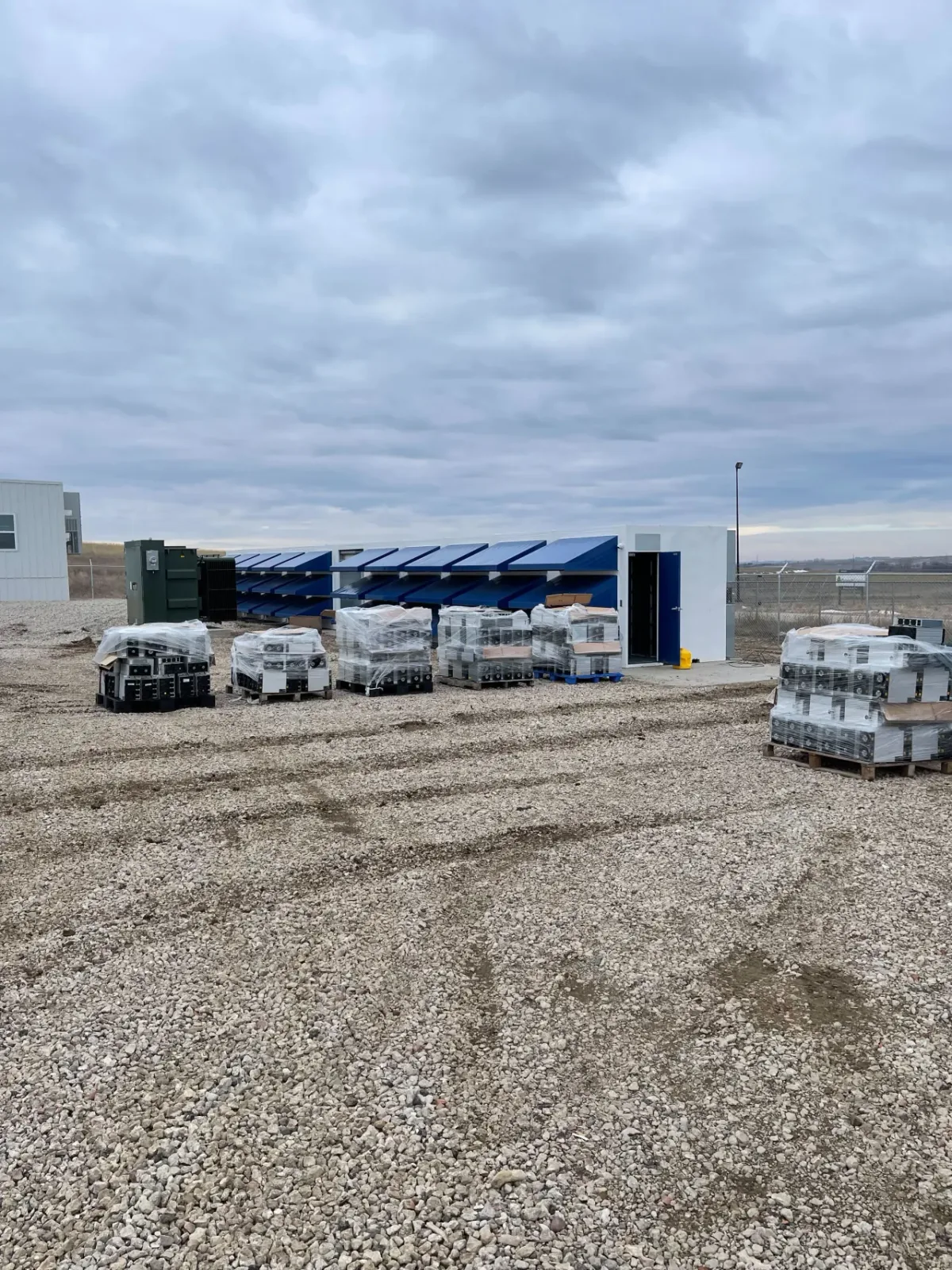
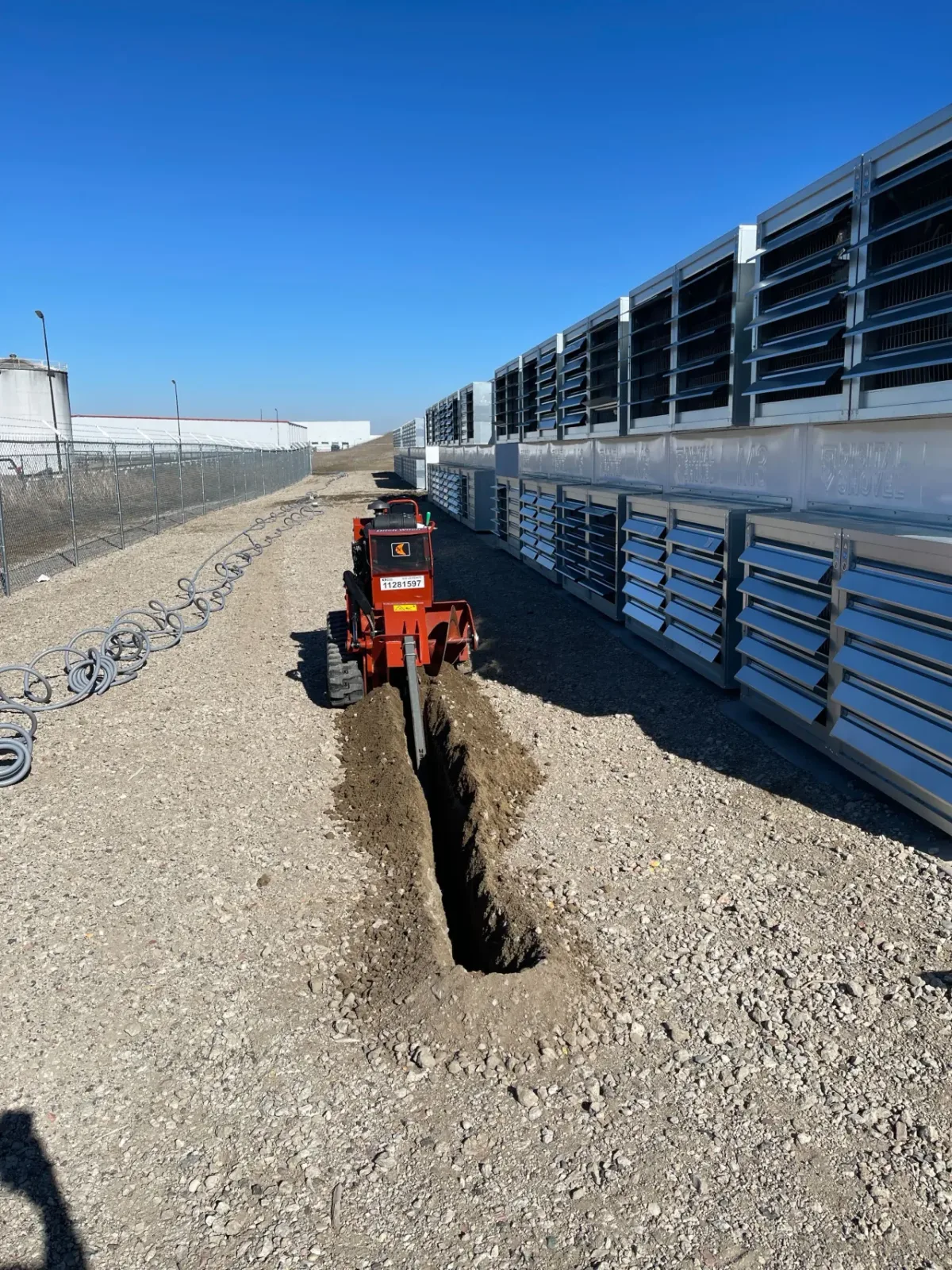
The site work covered the things that decide whether a mining project ships: container placement, trenching, utility runs, staging, and enough structure to bring machines online without delays.
Commissioning and Migration
By mid-2023, the project had moved past planning. Containers, transformers, deployment support, and machine logistics all lined up to move a 600-machine hosted fleet into client-controlled infrastructure.
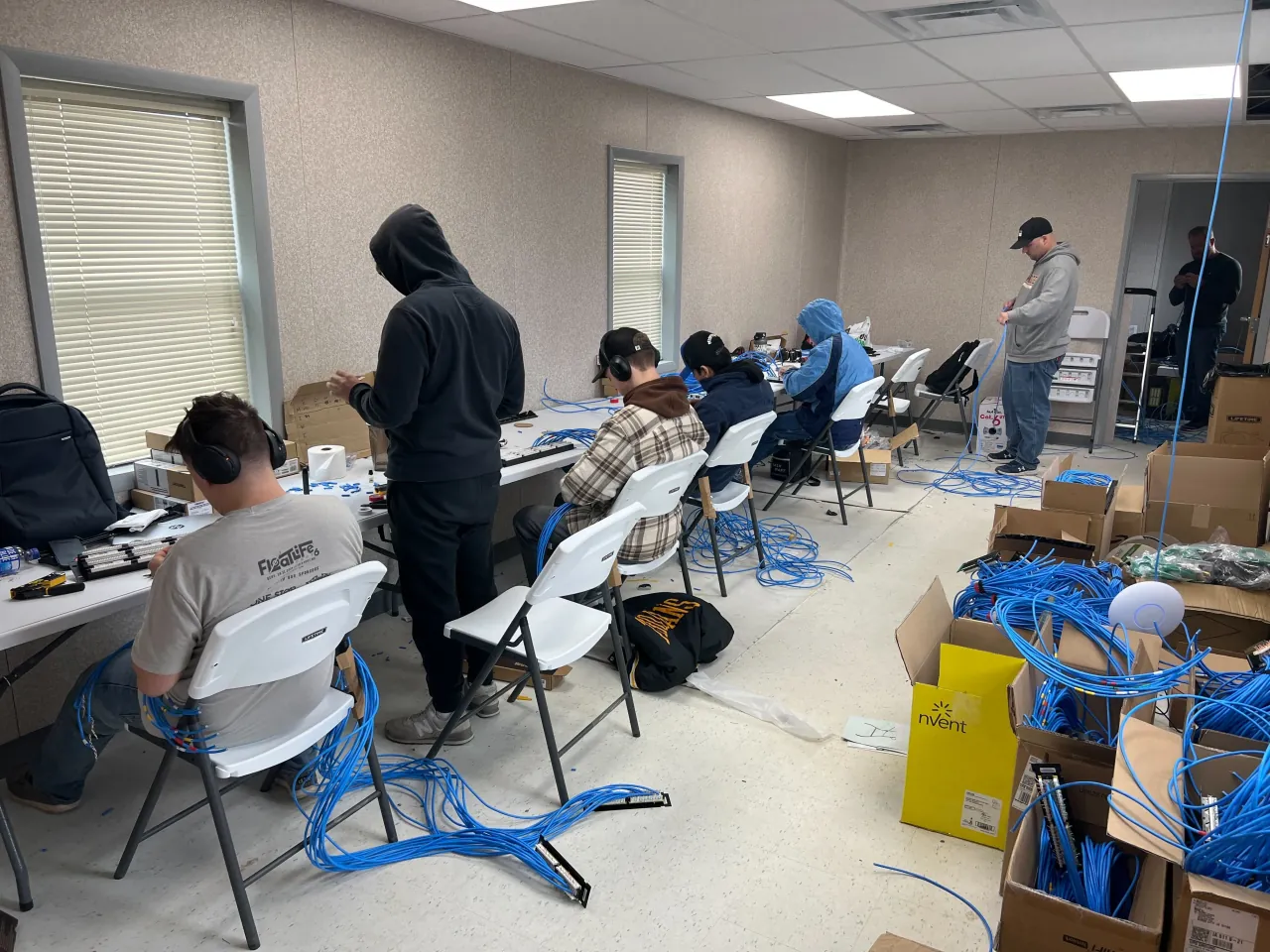
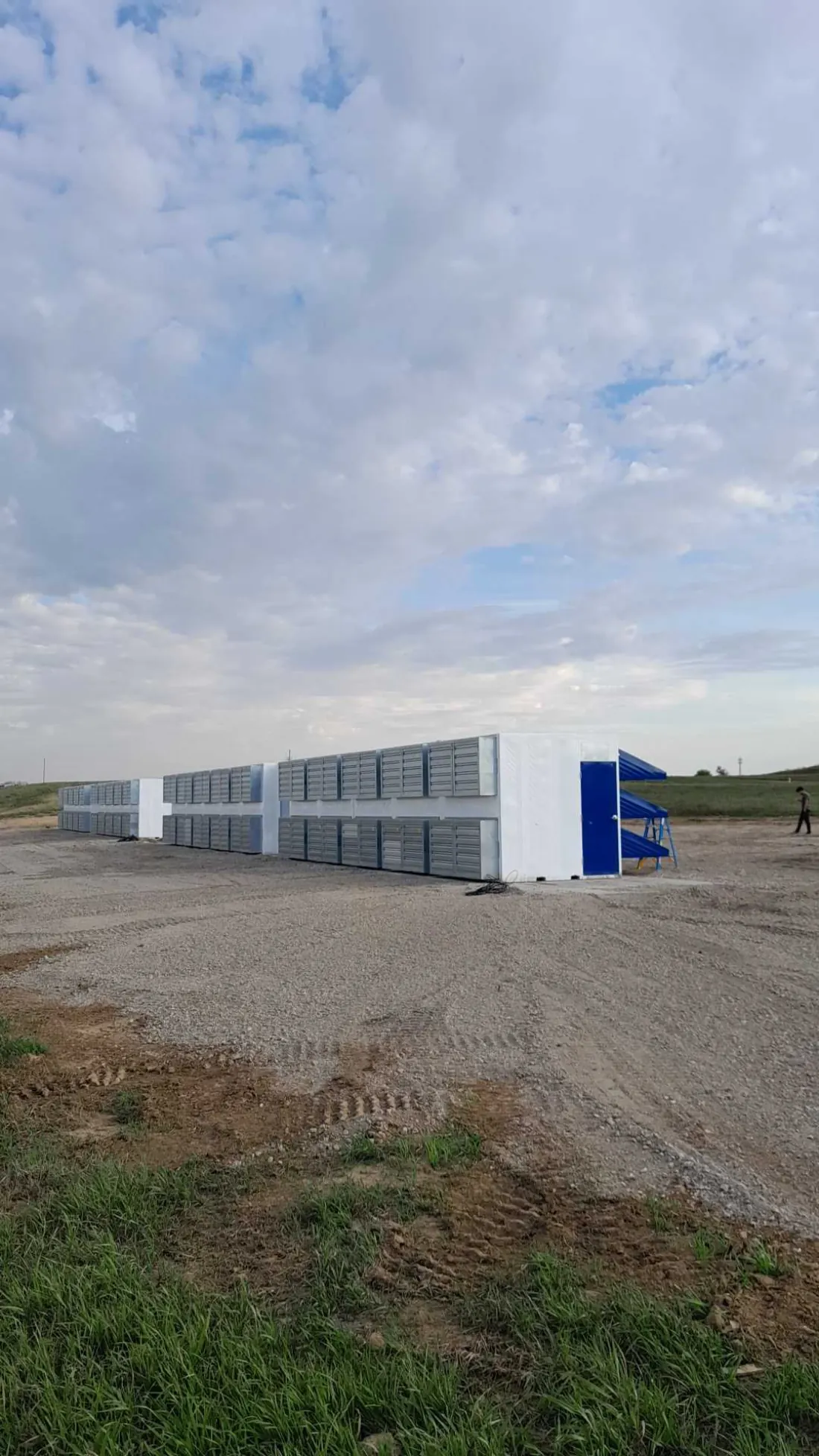
The network-room photo shows migration work in practice. Teams built cabling, labeled hardware, and prepared the backbone before large batches of machines arrived. The trenching and container photos show the outside half. You need both for a clean cutover.
Opportunity Zone Tax Planning
The site sat in an opportunity zone, which added a tax-planning layer to the infrastructure decision. Under current IRS rules, eligible gains invested through a Qualified Opportunity Fund can defer recognition until the statutory inclusion date, and a qualifying long hold can exclude some future appreciation. The client reviewed that structure with tax counsel before committing to the site build.
That tax angle does not show up just because you buy miners and put them on a parcel. The fund structure, land, entity stack, and hold period all need to line up. When they do, the site can carry value beyond hashprice alone.
Why This Story Matters for Hosting and Remote Hands
This is not an argument against hosting. It shows how hosting works as a starting point — and how the right operator stays involved when you move into owned infrastructure.
- Hosting gets you online fast. You learn what your fleet needs before you build.
- Remote hands keeps an owned site running once containers, transformers, and machines are in the field.
- MiningStore supports both sides of that path.
If you already own land or are building toward self-mining, our remote hands program gives you trained technicians for swaps, inspections, firmware work, and on-site response — without hiring a local team from scratch.
The Result
The client purchased 180 machines in the first five months, scaled to a 600-machine hosted fleet, ran that fleet with MiningStore for over a year, and moved the entire operation into a 5 MW site in an opportunity zone. Each step made the next one possible.
Start with hosting if you want miners online before you commit to a site. Bring in remote hands when you need field operators to keep an owner-run site tight.